Permanent keloid removal paired with low-dose radiotherapy to stop the scar from coming back — performed by an internationally trained radiation oncologist in Barranquilla, Colombia, for a fraction of the U.S. price.
Keloids are raised, often recurring scars that grow beyond the original wound. Surgery alone removes the keloid, but recurrence rates are high — which is why the gold-standard approach combines excision with targeted radiotherapy.
At IMC, internationally trained radiation oncologist Dr. William Baquero removes the keloid and delivers a short course of low-dose radiation to the site within 24–48 hours, dramatically lowering the chance it returns. The same approach is used for ear, chest, shoulder, and surgical-scar keloids.
Excision with adjuvant radiotherapy is aimed at keloids that are large, painful, disfiguring, or that have already grown back after a previous attempt. It is usually the right conversation if:
It is generally not the first step for a small, new, or flat scar. Hypertrophic scars, which stay inside the original wound margins, often settle with far simpler treatment and should not be managed as keloids. Radiotherapy is also not offered during pregnancy. Dr. Baquero will say so directly if a simpler option is the better one for your case.
You share clear photos of the keloid, how long you have had it, and anything already tried. This happens before you travel and costs nothing.
Dr. Baquero reviews the case and IMC returns a written plan and a fixed quote within 24 hours — including how many radiotherapy sessions your case is likely to need.
You are examined in person and the plan is confirmed or adjusted. Surgery is normally scheduled for the following day.
The keloid is surgically removed under local anaesthetic in most cases. Larger or multiple sites may need more.
This window matters. Targeted low-dose radiation is delivered to the scar bed while it is still healing, which is what interrupts the cells that rebuild the keloid. Missing the window substantially reduces the benefit.
You are reviewed before flying home, and IMC stays in contact through the first months, when recurrence would show if it were going to.
Most patients are in Barranquilla for a few days — long enough to complete excision and the radiotherapy sessions. The surgical site is dressed and you are given wound-care instructions in your own language before you leave.
Local tenderness and mild pink discolouration of the treated skin are normal in the first weeks. The scar continues to soften and fade for 6 to 12 months. Recurrence, when it happens, almost always shows within the first year — which is why the follow-up window matters more than the discharge date.
No keloid treatment is guaranteed. Combining excision with prompt radiotherapy gives markedly better results than surgery alone, but a proportion of keloids still recur, and the risk is higher for very large lesions, for chest and shoulder sites, and where there is a strong family history.
Radiotherapy carries its own considerations: temporary skin redness or darkening at the site is common, and permanent lightening or darkening of the treated skin is possible, particularly on deeper skin tones. The doses used for keloids are low and tightly targeted, and this has been standard practice for decades — but it is a real treatment with real trade-offs, and you should hear them before you decide, not after.
Got a U.S. quote? Enter it to see your estimated Barranquilla price and how much you could save.
Estimate only. Your exact IMC quote depends on case details — free and no obligation.
Get your free quote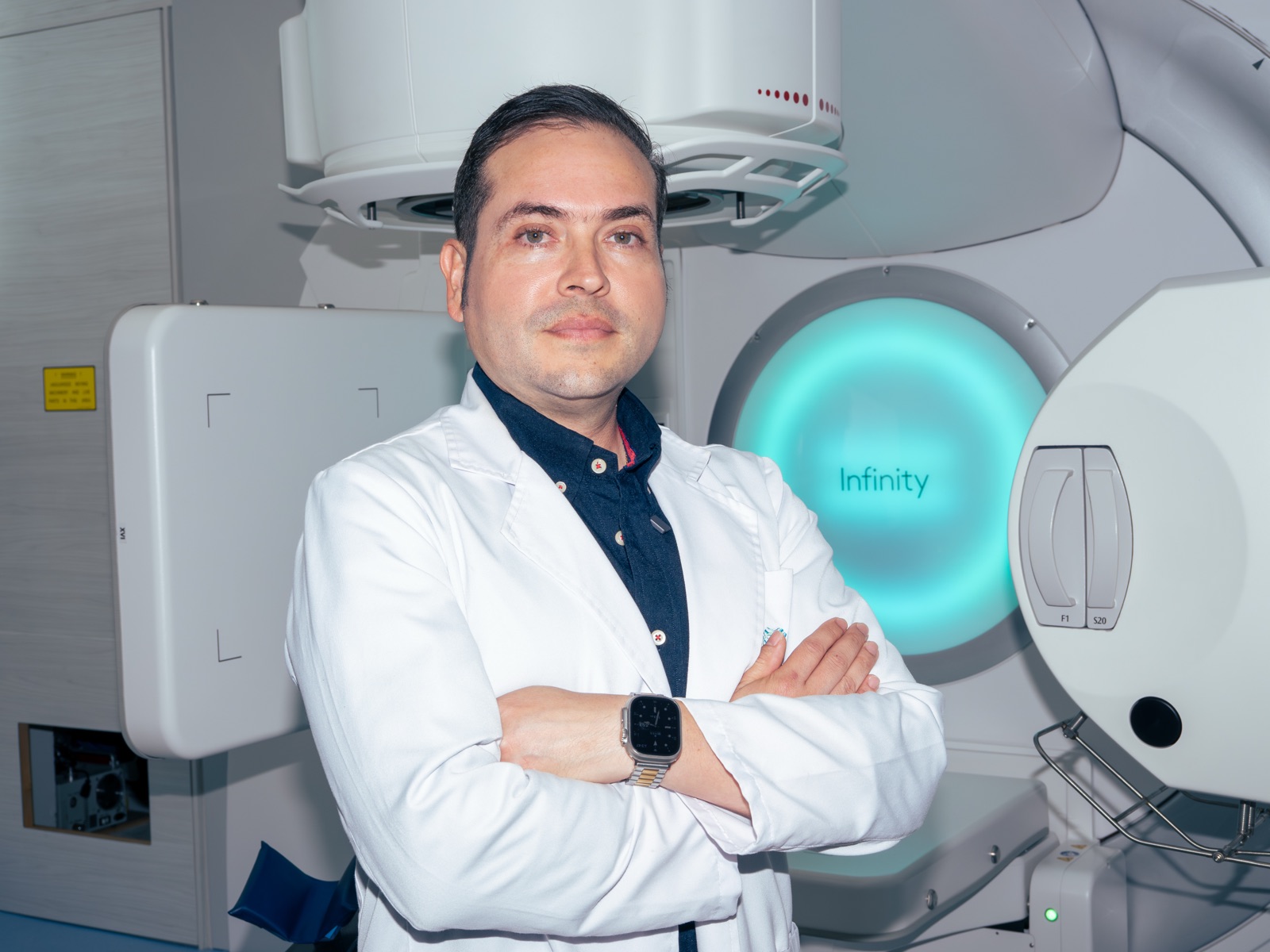
World-class care at a fraction of U.S. prices, with no surprise costs.
Certified physicians in accredited facilities — not a tourist package with unknown doctors.
Direct flights and a bilingual concierge who coordinates everything end to end.
Free quote within 24 hours. You decide with all the information in hand.
Tell us about your case and our bilingual team replies within 24 hours — free, no obligation.